

Skip to product information


Brand:
Gubi
Designer:
Joe Colombo
Size:
91.0cm x 68.0cm x 89.0cm (max)
Basket Lounge Chair - Fully Upholstered
$5,499
Description
At first glance, anyone familiar with the work of Joe Colombo would be surprised by the Basket Collection. From a designer known for his futuristic style, his love of technology and his affinity for synthetic materials, a furniture collection in rattan seems like a significant departure from the norm. Look a little closer, however, and the hallmarks of classic Colombo become clear: organic lines, a distinctly modernist aesthetic, and a highly innovative approach to his chosen material.
The name ‘Basket’ honors the classic hand-weaving technique used in rattan basketry. The collection comprises a three-seater sofa, a two-seater sofa, and a lounge chair, all of which share the same construction. Replacing the inner fiberglass shell that Colombo initially utilized, the core of each piece is now formed from a more environmentally responsible steel skeleton, which provides strength and stability to the unique form. This is covered with a hand-woven rattan skin, made from interlaced strips and oval stakes, a technique that demands a tremendous degree of skill and craftsmanship to create.
Shipping & Returns
We will work quickly to ship your order as soon as possible. Once your order has shipped, you will receive an email with further information. Delivery times vary depending on your location.
For our full shipping information, click here.
For our full returns policy, click here.
Attachments & Guides
No attachments or guides are available for this product.
Care & Maintenance
Explore More Products
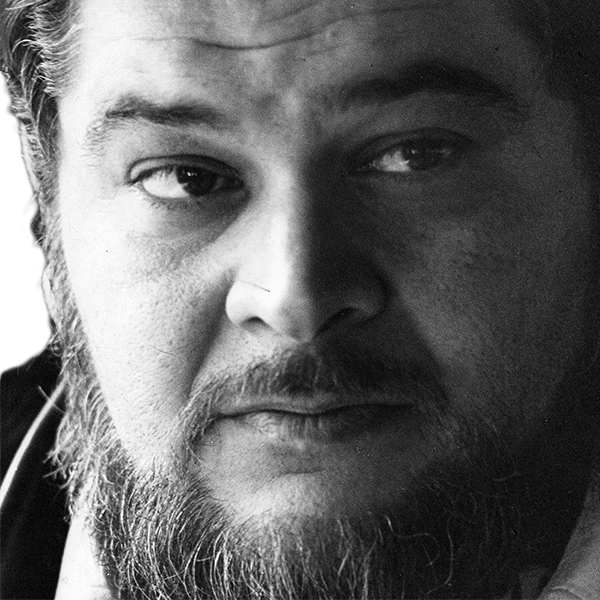
ABOUT THE DESIGNER

Joe Colombo
Joe Colombo studied at the Polytechnic of Milan and the Brera Art Academy. After an important, albeit brief, escapade with informal painting, he decided to devote himself entirely to design and architecture. In 1954, he participated in an exhibition at the 10th Triennale, and in 1956 his first architectural project was completed in Milan, in via Rosolino Pilo.
A precursor of the study of ergonomic design, he developed unique products with a dynamic sculptural appearance.
Many of his objects are considered milestones of design and are part of the collections of the world’s most important museums, such as the MoMa and the Metropolitan Museum of Art in New York.


Featured
in the Journal
A Century of Light
 Designers

Outdoor Edit: Spring Is Here
 Inspiration
